Car Accidents
How Crockett Law Handles Your Car Accident Claim
After a crash, you may be trying to coordinate treatment, vehicle repairs, missed work, and calls from more than one insurer. Crockett Law helps injured drivers, passengers, and pedestrians build a claim around what happened and what the injuries have cost them.
We review fault and available coverage separately. A dispute over a lane change, a rear-end collision, or a red light calls for different evidence. We also examine whether your own uninsured or underinsured motorist coverage, personal injury protection, or other benefits may be relevant.
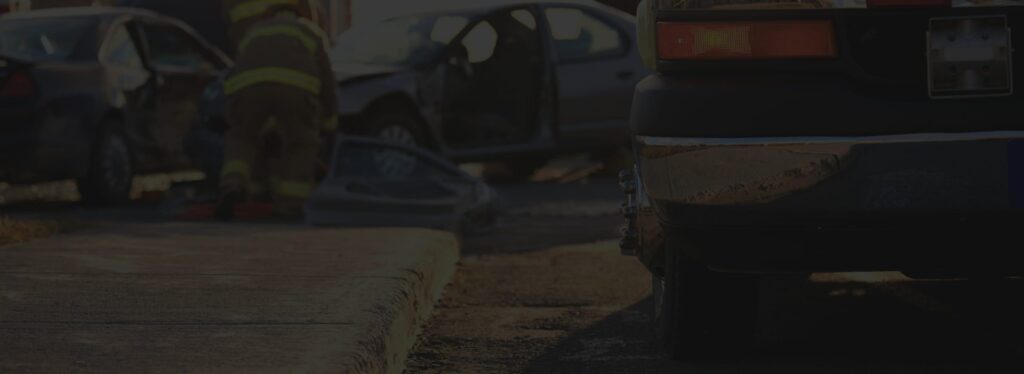
Our focus is the connection between the collision, your medical condition, and the effect on your work and daily life. Photographs of the vehicles are one piece of that investigation, alongside medical findings, witness accounts, and the rest of the evidence.

The Evidence We Look For
- How the crash happened: the police report, scene and vehicle photographs, witness contact information, dash-camera or nearby surveillance footage, and available vehicle data.
- Your injuries: emergency care, follow-up treatment, imaging, physician recommendations, and a record of symptoms and limitations.
- Financial losses: medical bills, time missed from work, pay records, work restrictions, and support for any claimed loss of earning capacity.
- Insurance: correspondence, claim numbers, policy information, and offers or releases you have received.
Save originals and tell us about possible cameras quickly. If you already had a neck, back, or other medical condition, discuss it openly with us so we can evaluate what changed after the crash. Follow your treating provider’s advice and explain any difficulty obtaining care.
What to Expect and Common Car Accident Questions
At your consultation, we discuss the collision, your treatment, coverage questions, and deadlines. If we take your case, we investigate fault, assemble the records supporting your losses, and address the insurer’s position. We explain offers and any recommendation to pursue a lawsuit, discovery, mediation, or trial. You decide whether to accept a settlement.
What if the insurer says I caused the crash?
An adjuster’s position does not decide legal fault. We compare that claim with the evidence. In many Texas negligence cases, your share of responsibility can reduce recovery, and responsibility greater than 50 percent can bar it.
What if the other driver has little or no insurance?
We review other possible sources of recovery, including applicable uninsured or underinsured motorist coverage. Whether benefits are available depends on the policy, coverage limits, and claim requirements.
Can I make a claim if my symptoms appeared later?
A delay does not automatically decide the claim, but the timeline matters. Seek appropriate medical evaluation, tell your provider when symptoms began, and keep an accurate record. We assess the medical evidence and how it relates to the collision.
Should I accept the first settlement offer?
Review what the payment covers and whether signing a release ends your injury claim. An early offer may come before your treatment needs and losses are clear. We can discuss the offer and the information needed to evaluate it.
What should I bring to a free consultation?
Bring the crash report if available, photographs, insurer correspondence, policy information, and medical or work records you already have. Missing documents should not keep you from contacting us. Many Texas injury lawsuits have a two-year filing period, with exceptions and potentially earlier notice requirements.
Request a free car accident consultation or call (281) 953-1180.
After a Car Crash: What to Save and Where to Look
The first hours matter because vehicle positions, road conditions, camera footage, and witness memories can change quickly.
What to do and preserve
- Call 911 when anyone is hurt or the scene is unsafe. Get medical care and describe every symptom, including symptoms that appear later.
- Photograph both vehicles, license plates, damage, debris, skid marks, signals, weather, and the surrounding roadway before the scene is cleared if safe.
- Exchange driver and insurance details and get witness contact information. Save dashcam files, texts, repair estimates, towing receipts, and all medical records.
Records you can find yourself
- Texas crash report (CRIS) ↗
Eligible buyers can order an available TxDOT crash report; a fee and eligibility rules may apply. - Your medical records ↗
Ask each treating provider for visit notes, imaging, bills, and discharge instructions.
If a nearby business or home has a camera, identify its owner and request preservation promptly; footage may be overwritten. A crash report is a starting point, not a substitute for photographs and witnesses.
When should I contact a lawyer? As soon as possible after the injury, so you understand your rights and can protect time-sensitive evidence—and before giving a recorded statement to any insurance representative.