Premises Liability
How Crockett Law Investigates an Unsafe Property
A fall at a store, restaurant, apartment complex, or other property can turn an ordinary day into months of treatment. Crockett Law investigates the specific condition that caused the injury, who controlled that area, and what the responsible business or owner knew about the danger.
In a spill case, timing can be critical: when did the liquid appear, who saw it, and what happened before you fell? A damaged stair, loose handrail, or uneven walking surface may call for a different investigation. We build the claim around those facts and the duty owed to you.
We also document your treatment, missed work, and lasting limitations. Being injured on someone else’s property does not automatically establish liability, but a prompt review can help identify the evidence needed to evaluate your case.
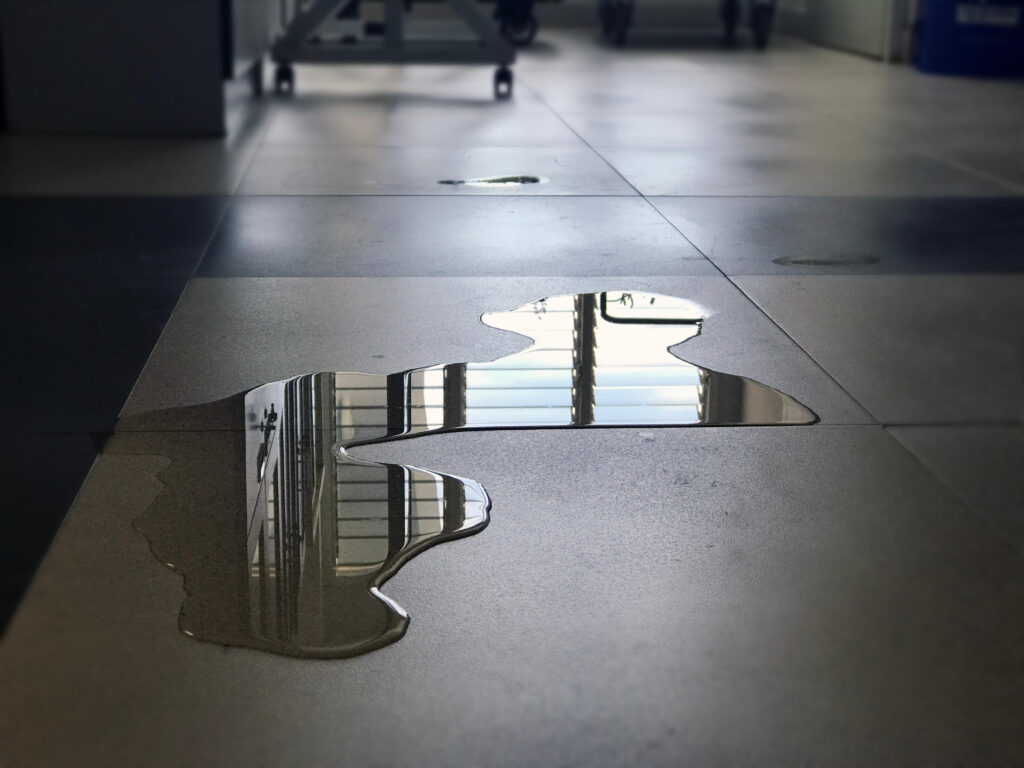

Conditions We Investigate
We evaluate injuries involving spills, leaks, slippery flooring, uneven walkways, damaged stairs, missing or defective handrails, and falling merchandise. Pool incidents and other property injuries may involve different duties and legal theories.
Our investigation asks what caused the injury and who had responsibility for inspecting, maintaining, or controlling the location. That may involve an owner, tenant, property manager, or contractor; the name on the building is not always the only relevant business.
Evidence of the Hazard and Notice
For many business-customer claims, showing a dangerous condition is only part of the case. Evidence that the responsible party knew, or should have known, about that particular condition can be essential.
- Photographs of the exact hazard, surrounding area, lighting, and warnings.
- Surveillance footage showing both the incident and the period before it.
- Incident reports, witness accounts, inspection or cleaning records, and relevant repair requests.
- Evidence of when the condition arose and any earlier complaints about that same location and hazard.
Report the incident, request a copy of any report, and keep the shoes and clothing you wore without changing their condition. Do not put yourself at risk to gather evidence. Tell us about cameras promptly so we can assess a preservation request.
Documenting Medical and Financial Losses
We review medical records and bills, treatment recommendations, work restrictions, and income records. A serious fracture, head injury, or back injury may require evidence of future treatment needs or reduced earning capacity, not just bills already received.
Keep receipts and records of missed work, and tell your providers accurately how the injury occurred. The losses pursued must be supported by the evidence and recoverable under the law applicable to your case.
Showing the Effect on Your Daily Life
Medical bills do not describe the whole injury. We ask how pain, mobility limits, physical impairment, or disfigurement affect your routine, work, sleep, family responsibilities, and activities.
Your own account, treating-provider records, and observations from people who know you can help document those changes. We assess the evidence supporting each claimed loss rather than assigning a standard value to a fall.
What to Expect When You Contact Crockett Law
At a free consultation, we discuss the location, the hazard, your reason for being there, your treatment, and any report or correspondence. If we take the case, we investigate control of the property, preserve and seek relevant evidence, and evaluate the defenses being raised.
We explain settlement offers and whether further investigation or litigation is warranted. Discovery, expert review, mediation, and trial may become part of the case. You decide whether to accept a settlement; the outcome and timing depend on the evidence and circumstances.
Premises Liability FAQs
Does the business have to pay because I fell there?
No. The applicable duty, the dangerous condition, notice, reasonable precautions, and the connection to your injury must be examined. For a spill, evidence about how long it was present can be particularly important.
What if there was a warning sign?
A warning can affect the claim, but its placement, visibility, and adequacy matter. Tell us where it was and whether it warned about the condition that caused your injury. We evaluate warnings and the visibility of the hazard under the applicable law.
Do my rights change if I was a customer or a guest?
Yes. Texas law recognizes different duties depending on the circumstances and your status, including an invitee, licensee, or trespasser. Customers and social guests may be treated differently. These categories are fact-specific and have exceptions; we review your reason for being on the property.
What if the business says there is no video?
Tell us who you spoke with and when. We can assess preservation requests, other cameras, witnesses, incident reports, and maintenance records. Missing video does not automatically establish fault or end a claim.
How long do I have to act?
Many Texas personal injury claims have a two-year filing period, but exceptions and earlier notice rules can apply, especially when a governmental entity is involved. Surveillance footage may disappear much sooner. Contact us promptly for a review of your specific deadlines.
Request a free premises liability consultation or call (281) 953-1180.
Premises Injury: Document the Hazard and Who Controlled It
A spill, uneven surface, broken stair, or poorly lit area may be repaired soon after a fall. The condition and notice to the responsible party matter.
What to do and preserve
- Report the incident to a manager or property representative and request a copy or photograph of the report. Seek medical care.
- Photograph the precise hazard from several angles, the surrounding aisle or walkway, lighting, signs, footwear, and any visible cameras.
- Get names of witnesses and staff, save receipts or proof you were there, and note how long the condition may have existed without guessing.
Records you can find yourself
- Property ownership search ↗
For Harris County property, search ownership; an owner record may not identify the tenant or operator responsible for the hazard. - Your medical records ↗
Request treatment and imaging records.
Request preservation of camera footage, inspection logs, cleaning schedules, and prior incident reports as soon as possible. Avoid relying only on a later photograph after the hazard is fixed.
When should I contact a lawyer? As soon as possible after the injury, so you understand your rights and can protect time-sensitive evidence—and before giving a recorded statement to any insurance representative.